
DDP vs FOB: Which Is Better When Importing from China?
Both are Incoterms, but they put the line between supplier and buyer in very different places. A factory's view on what each one really includes, what a DDP price can hide, and why we only quote EXW or FOB.
Every few weeks a buyer asks us for a DDP price. They want one number that covers the chargers, the freight, the customs and the delivery to their warehouse. It's an understandable request, and some suppliers are happy to give it. We aren't, and this article explains why, along with how DDP vs FOB actually compare.
I'll lean on three guides that currently rank for this question, from Ship4wd, Importivity and Suaid Global, because they explain the Incoterms rules well. Where I disagree with them, I'll say so. We make chargers at Rongjun in Dongguan and ship to importers in the UK, Europe, the Gulf and Africa.
The short answer
FOB: the factory delivers to the ship in China; you choose the forwarder and handle freight, insurance, import clearance and delivery. You see every cost and the customs declaration is in your name. DDP: the seller handles everything to your door, including your country's duty and VAT, for one price. Simpler, but you can't see what's inside the price or what was declared at your border. For regular imports, FOB (or FCA) with your own forwarder is usually cheaper and safer.
FOB: what you're actually buying
FOB stands for Free On Board. Under Incoterms 2020, the seller:
- gets the goods to the named port of shipment,
- handles and pays for export clearance in China,
- loads the goods on board the vessel your forwarder has booked.
Once the goods are on board, the risk passes to you. From there you pay the sea freight, insurance, import clearance, duty, VAT and delivery. In practice your forwarder does all of that and sends you the invoices.
Ship4wd lists the advantages well: a clear handover point, your own choice of carrier and route, and the seller dealing with Chinese export paperwork, which they know better than you.
DDP: what you're actually buying
DDP stands for Delivered Duty Paid. It puts the most responsibility on the seller of all eleven Incoterms. The seller handles export clearance, freight, import clearance in your country, pays the duties and taxes, and delivers to the named place. You unload.
It sounds ideal, and for some situations it is. Importivity, for example, recommends DDP for first shipments and small test runs. But think about what it means for a factory in China to "clear import customs in the UK" or "pay German VAT". The factory doesn't do that itself. It hands the job to a logistics company with its own arrangements at your border, and you don't see how your goods are declared.
DDP vs FOB side by side
| FOB | DDP | |
|---|---|---|
| Export clearance in China | Seller | Seller |
| Main freight | Buyer (your forwarder) | Seller |
| Insurance | Buyer arranges | Seller's risk |
| Where risk passes | On board the vessel in China | At your named place |
| Import clearance, duty, VAT | Buyer | Seller (or its agent) |
| Who declares the value at your border | Your forwarder, in your name | Someone the seller chooses |
| Cost visibility | Every line | One number |
| Transport modes | Sea and inland waterway | Any |
What a DDP price can hide
Importivity's own FAQ makes the key point quietly: some suppliers "exclude certain fees or under-declare values". That second part is the real problem. If a DDP price looks cheap, the usual reason is that the goods are declared at the border at less than you paid, so less duty and VAT are collected.
That's not your supplier's problem once the goods are delivered. It's yours. Customs can compare declared values with payments and market prices, and you are the business that received and sold the goods. With chargers, where UK and EU duty on the usual code is 0%, the main thing being under-declared is VAT, which a VAT-registered importer could have reclaimed or postponed anyway. So the "saving" is small and the risk isn't.
Other things a DDP price can hide:
- a margin on the freight, which you can't benchmark;
- slower, cheaper routes that you didn't choose;
- no record of import VAT in your name, so nothing to reclaim;
- fees that turn up at delivery because they weren't "included" after all.
A charger example, both ways
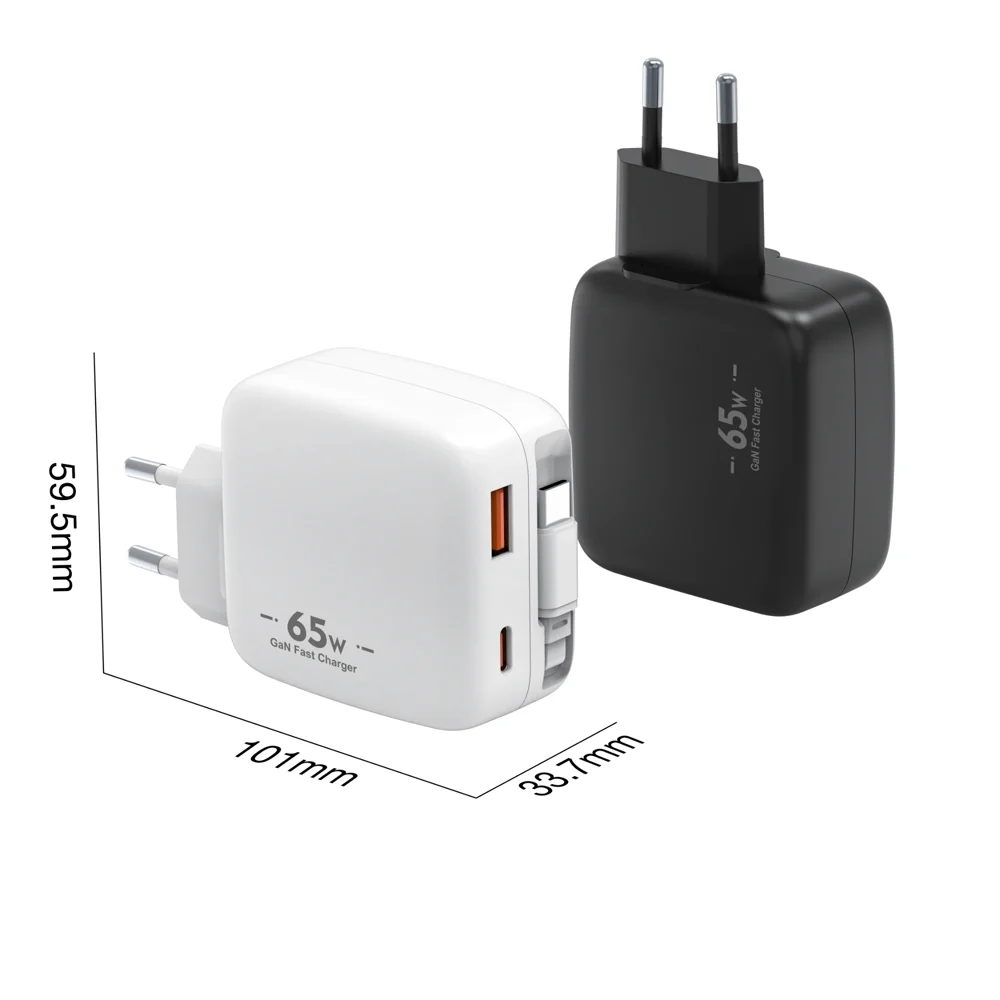
Take 1,000 of our XFC 65W chargers for a UK importer. The goods are about US$5.08 to 5.69 a piece. Logistics figures below are illustrative only.
| Line | FOB with your forwarder | DDP quote |
|---|---|---|
| Goods | Factory FOB price | One price. Breakdown not shown. |
| Sea freight and insurance | Your forwarder's quote | |
| UK duty on 8504 40 95 90 | 0% | |
| Import VAT at 20% | Postponed on your VAT return, or paid and reclaimed | |
| Clearance and delivery | Your forwarder's quote | |
| Declared value at the UK border | The real price, in your name | Unknown |
Importivity's example on a US$20,000 shipment came out about 6% cheaper under FOB. For a VAT-registered UK charger importer, FOB has a second advantage: the import VAT is recorded in your name, so you can postpone or reclaim it. Our import duty guide shows the numbers.
FCA, CIF and DAP: the in-between options
FCA instead of FOB
Both Ship4wd and Importivity point out that FOB was written for cargo loaded over a ship's rail. Most chargers travel in containers, often handed over at a depot or a forwarder's warehouse before they ever reach a ship. FCA (Free Carrier) describes that handover more accurately, and it works for any transport mode. Many forwarders still quote on FOB out of habit; if yours prefers FCA, ask your supplier whether it can quote that way.
CIF
Under CIF the seller pays freight and insurance to your port, but the risk is already yours once the goods are loaded in China, and the insurance is only minimum cover. If you go this way, check the policy.
DAP
Suaid Global's recommendation for business imports is worth repeating: if you want delivery to your door but you have your own customs broker, DAP (Delivered at Place) does that. The seller delivers; you clear customs and pay duty and VAT in your own name.
Which term for which situation
| Your situation | What we'd suggest | Why |
|---|---|---|
| Samples | Express courier | The courier clears and bills you on delivery |
| First order, VAT-registered | FOB (or FCA) + your forwarder | Declaration and VAT in your name from day one |
| First order, want one price to the door | FOB + a forwarder's door-to-door quote | Simple, but still your declaration |
| Regular reorders | FOB or FCA | Compare freight, use postponed VAT, build a cost history |
| You have your own broker but want door delivery | DAP | Seller delivers, you clear |
| You have an agent or warehouse in China | EXW | Your agent collects and consolidates |
Shipping straight to Amazon warehouses
This is where DDP is most common. Forwarders advertise "DDP to Amazon FBA": the goods go from China straight into an Amazon fulfilment centre with duties paid. It can work, but Amazon doesn't act as importer of record for your stock, so someone else's name goes on the import entry. Before you use one of these services, ask who the importer of record is, what value they declare, and whether you'll get the import VAT documents in your own name. If the answers are vague, use a forwarder who clears in your name and delivers to Amazon for you.
Why we quote EXW or FOB, not DDP
We make chargers. We're good at building and testing them and getting them cleared for export from China. We aren't a customs broker in your country, and we'd rather not pretend to be one through a partner you've never met.
- The declaration is yours. Your forwarder declares the goods in your name, at the price on our invoice.
- The costs are visible. You can compare freight quotes and see what you pay for.
- VAT stays with you. Postponed or reclaimed, as your business allows.
- Our invoice shows the real price. Always.
If you'd like one price to your door, the clean way is to take our FOB price and ask a forwarder for a door-to-door quote. Many will give you exactly that, with the declaration still in your name. Our import guide walks through the rest of the process.
Writing it correctly in the contract
Suaid Global's guide is good on this. Always write the term with a named place and the rule set: for example "FOB [port of loading], Incoterms 2020" or "DAP [your warehouse address], Incoterms 2020". Just "FOB" on its own is ambiguous, especially for US buyers, where "FOB Destination" has a different domestic legal meaning.
And remember that Incoterms don't say when ownership of the goods passes. If that matters to you (for accounting or for a dispute), put it in the proforma invoice or contract separately. Our proformas list the Incoterm, the named place, the payment terms (50% before production, 50% before shipment by T/T, L/C on request) and the lead time.
Samples are a special case
Samples travel by express courier (DHL, FedEx, UPS). The courier delivers to your door and bills you for import VAT, any duty and its handling fee before release. Our samples are free, one per model, up to two models, and you pay the courier.
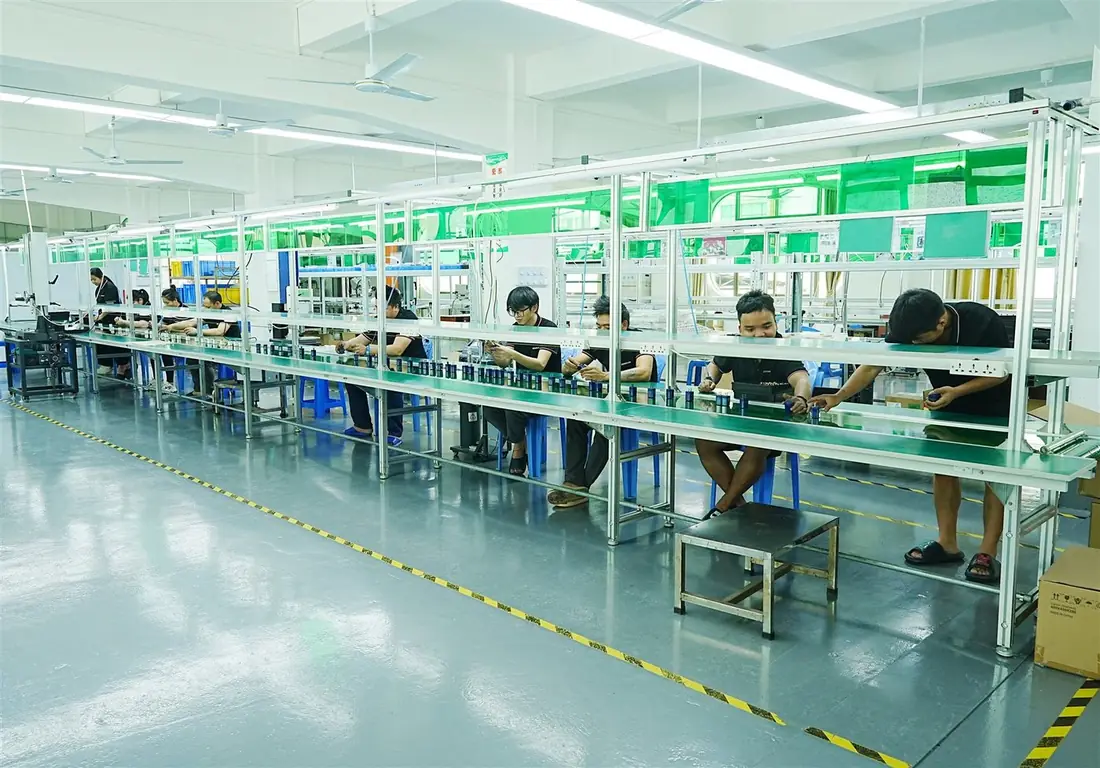
 Where your FOB order starts: our factory in 29 seconds
FAQ: DDP vs FOB
What is the difference between DDP and FOB?
Is DDP cheaper than FOB?
Is FOB or DDP better for a first order from China?
What is FCA and should I use it instead of FOB?
Who is the importer of record under DDP?
Does FOB include insurance?
What is DAP?
Does FOB transfer ownership of the goods?
Which Incoterms does Rongjun offer?
How do samples ship from China?
How does DDP shipping from China work?
Want an FOB quote for chargers?
Tell us the model, quantity and your destination. We'll quote EXW or FOB and send the documents your forwarder will need.
Get a quoteMore from the Rongjun buyer's library
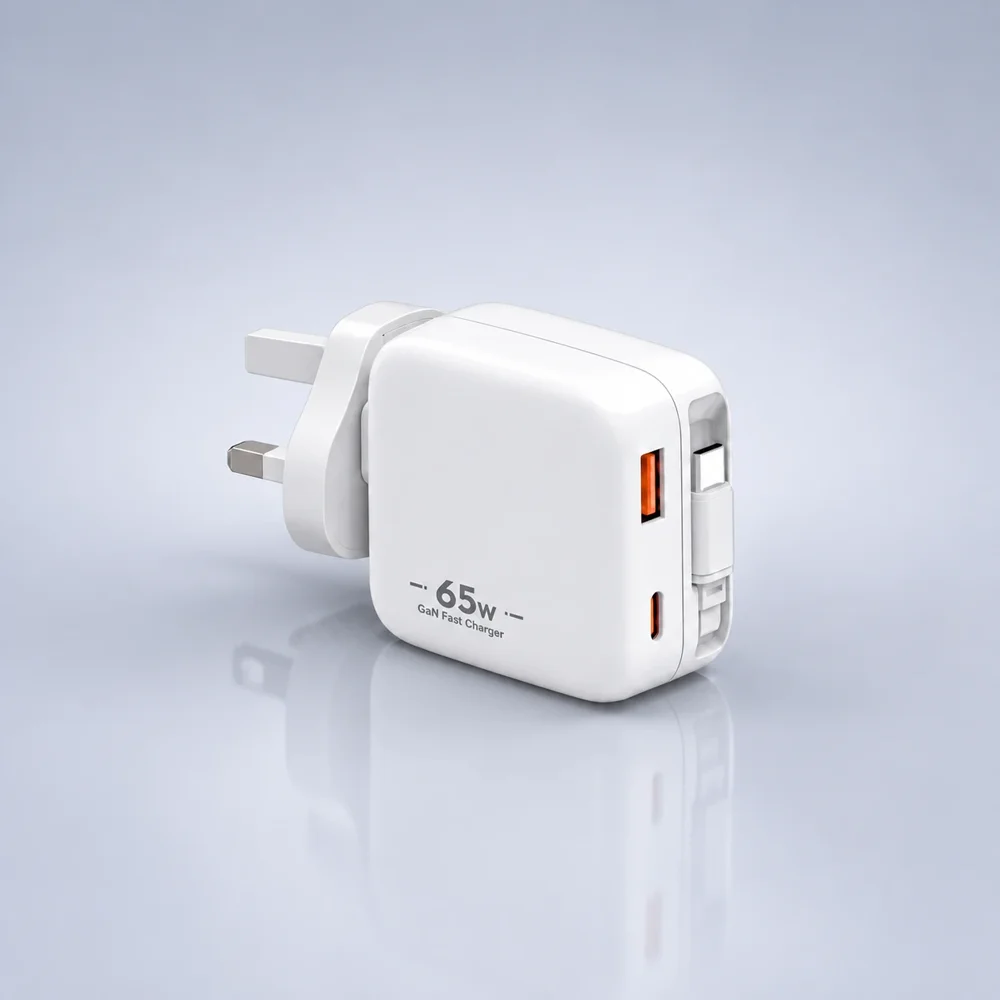
Import duty on chargers from China
The commodity code, UK and EU duty, VAT and the new €3 parcel rule.
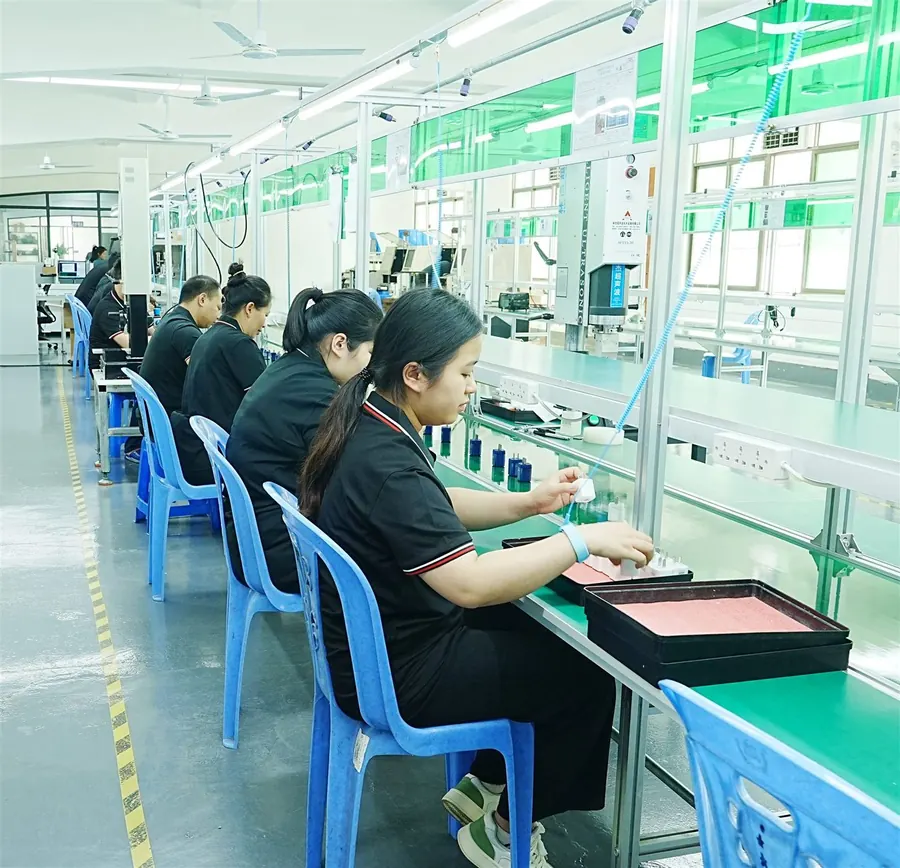
How to import chargers from China
The full import process for UK and EU buyers.

Start a mobile accessories wholesale business
Customers, range, pricing, credit and importer duties for wholesalers.